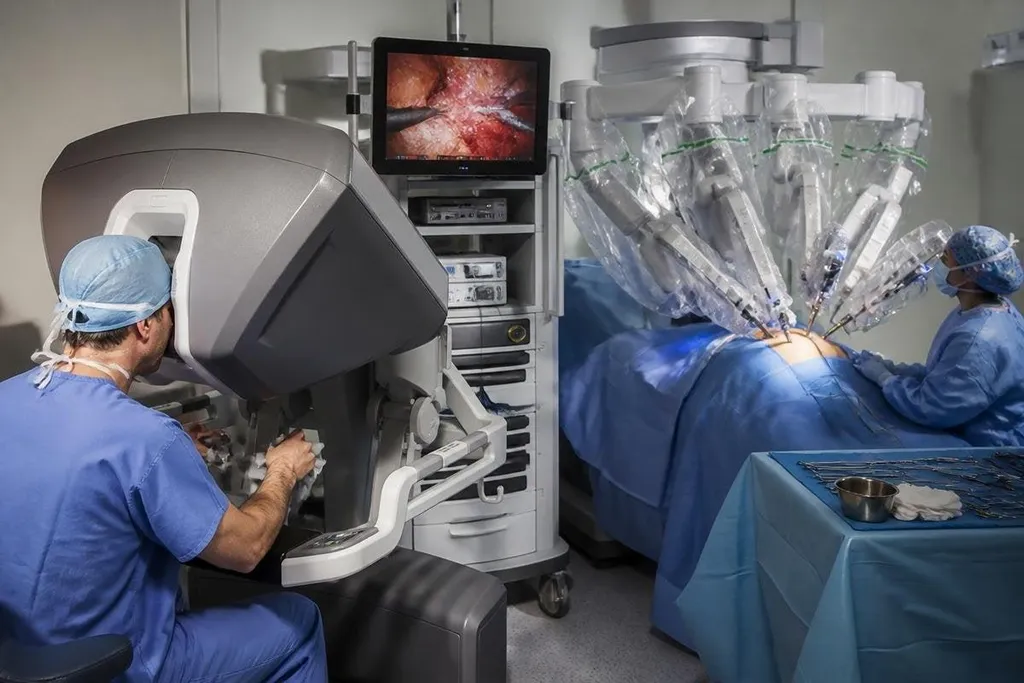
A surgical robot can give a surgeon a 3D view, wristed instruments, and fine control through small openings. It doesn’t make an operation automatic, and it doesn’t remove the risks of surgery. For a patient weighing treatment options, the useful question is where the system changes the operation and where it adds cost or failure points.
- Surgeons control the instruments during standard robotic procedures.
- Small openings can reduce damage to nearby tissue in some operations.
- Training, equipment faults, and higher costs remain real concerns.
What the robot changes
Most surgical robots used in hospitals have a console, a camera, and several arms. The surgeon moves hand controls at the console, while the instruments copy those movements inside the patient. The robot filters some hand tremor and lets the surgeon bend the tool tip in ways that straight instruments cannot.
That control can matter in tight spaces. In pelvic surgery, for example, the camera and wristed tools may help the surgeon work around organs and blood vessels. The benefit depends on the operation, the patient’s anatomy, and the surgeon’s skill with that system.
The camera also changes what the surgeon sees. A magnified 3D view can show the operating field in more detail than a standard open view, but the camera still has a limited angle. A clear image does not fix poor planning or a difficult case.
The possible benefits
Robotic surgery can support small-incision procedures. Smaller openings may mean less damage to the abdominal wall, less pain after surgery, and faster movement after the operation. Those effects vary by procedure, and they don’t guarantee a shorter hospital stay.
The surgeon can also sit at a console instead of leaning over the operating table for hours. Better posture may reduce physical strain during long cases. That helps the person operating the system, but it does not by itself improve the patient’s result.
Robotic tools may help with careful dissection and stitching. The system can hold the camera steady while the surgeon controls the working instruments, which may make a narrow operating field easier to manage.
Hospitals buy surgical robots as equipment, training programs, and service contracts, so the purchase reaches beyond the machine itself. Reports on surgical robotics can help industry readers compare those costs with how the robot is used in an operating room. Those extra demands also shape who can run the system safely.
Where the risks sit
The robot adds equipment between the surgeon and the patient. A software fault, camera problem, power loss, or instrument failure can interrupt the case.
Hospitals need trained staff and a clear way to switch to standard laparoscopic or open surgery when the system cannot continue. The setup can also take longer, especially during early use.
Longer operating time can raise costs and expose the patient to more time under anesthesia. A hospital may need extra staff, service agreements, dedicated space, and repeated training before the system fits its normal work.
Robotic surgery carries the usual risks of an operation, including bleeding, infection, blood clots, and reactions to anesthesia. Patient position can add pressure injuries or nerve problems during long cases. Those risks remain; the system changes how the team manages the procedure.
The evidence also varies by operation. A robotic approach may offer a clear reason in one procedure and little added value in another. Marketing can make the hardware sound like the treatment, but the surgeon’s plan and the patient’s condition still decide the result.
A practical choice guide
Ask the surgical team these questions before treating the robot as a benefit:
- Name the procedure: Which part of this operation does the robot change?
- Compare methods: What result should I expect from robotic, laparoscopic, and open surgery?
- Check experience: How often does this surgeon perform this procedure with the system?
- Plan for failure: What happens if the robot stops working during the operation?
- Price the full care: Do the hospital bill and follow-up costs differ between methods?
- Ask about recovery: Which outcome matters here: pain, blood loss, hospital time, or long-term function?
I'd choose robotic surgery when the surgeon can explain a procedure-specific benefit and has a clear backup plan. A robot earns its place through that explanation, not through the shape of its arms.
Hospitals will keep adding automation to operating rooms, but the next useful proof will come from procedure-by-procedure results, full costs, and clear records of when teams must switch methods.