
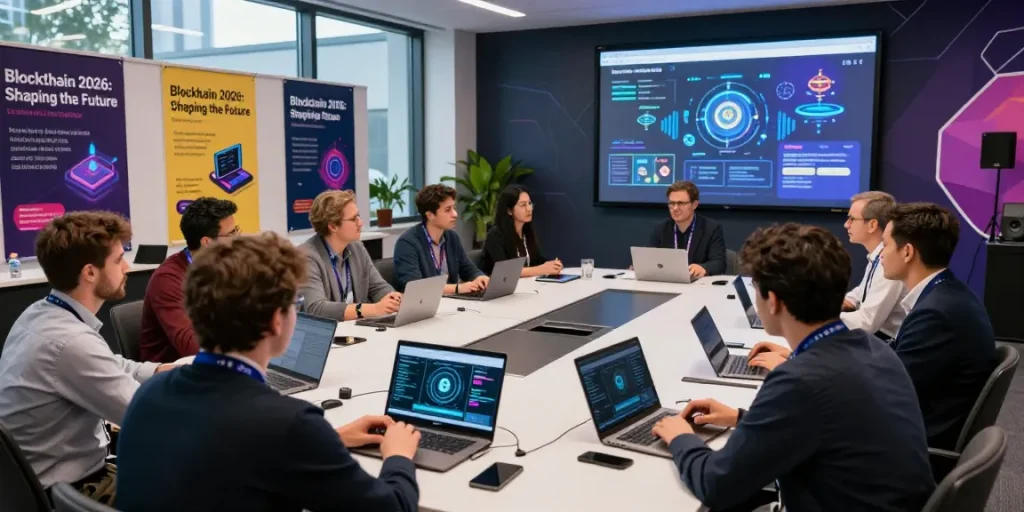

Understanding Blockchain Technology and Its Evolution
Blockchain technology, initially designed to support Bitcoin, has evolved into a foundational layer for various applications worldwide. As we approach 2026, this evolution presents exciting opportunities for businesses and individuals alike. The technology is not just about cryptocurrencies anymore; it encompasses various arenas such as finance, supply chain management, healthcare, and more. Companies are increasingly leveraging blockchain for its transparency, security, and efficiency, making it a critical consideration for future innovations. When exploring options, blockchain 2026 is expected to reveal comprehensive insights into its development and potential impacts across multiple sectors.
What is Blockchain and How Does It Work?
At its core, blockchain is a decentralized digital ledger that records transactions across multiple computers. This ensures that the record cannot be altered retroactively without the alteration of all subsequent blocks and the consensus of the network. Each block contains a list of transactions, a timestamp, and a cryptographic hash of the previous block, forming a chain of blocks – hence the term “blockchain.” This structure makes blockchain inherently secure and transparent, as anyone with access to the network can view all transactions.
The Historical Context of Blockchain Developments
Blockchain technology first came into public consciousness with the launch of Bitcoin in 2009. Since then, its potential has been explored beyond cryptocurrencies, leading to significant developments. Some key milestones include:
- 2015: The introduction of Ethereum allowed developers to create decentralized applications (dApps) using smart contracts, expanding blockchain use cases.
- 2017: The rise of Initial Coin Offerings (ICOs) popularized fundraising through blockchain technology, but also introduced regulatory scrutiny.
- 2020: Central bank digital currencies (CBDCs) began gaining traction, with countries exploring how blockchain could underpin state currencies.
Key Innovations in Blockchain Technology for 2026
As we look towards 2026, several key innovations are set to shape the future of blockchain technology. These include:
- Interoperability: Solutions that enable different blockchains to communicate with each other are gaining importance, facilitating more complex and integrated systems.
- Scalability Enhancements: New consensus mechanisms are being developed to enhance transaction speeds and throughput without compromising security.
- Integration with AI: The synergy between blockchain and artificial intelligence is expected to improve data analysis capabilities and decision-making processes.
Applications of Blockchain in Various Industries
Blockchain in Finance: Revolutionizing Transactions
In finance, blockchain technology is transforming traditional banking methods by facilitating faster, cheaper, and more secure transactions. Decentralized finance (DeFi) platforms are emerging, allowing users to borrow, lend, and trade without intermediaries like banks. This has led to a dramatic increase in access to financial services, particularly in regions with underdeveloped banking infrastructure.
Healthcare Innovations Through Blockchain Integration
Healthcare is another sector poised for blockchain breakthroughs by 2026. Innovations such as secure patient data exchange, tracking drug supply chains, and enabling telemedicine are being realized through blockchain. By ensuring immutable records, blockchain technology can enhance patient privacy and improve data-sharing processes among healthcare providers.
Decentralized Finance (DeFi) and Its Growth by 2026
Decentralized finance is expected to grow significantly, driven by increased adoption of blockchain applications. By utilizing smart contracts and blockchain technology, DeFi provides traditional financial services such as lending and borrowing in a decentralized manner. Predictions indicate that the total value locked in DeFi could multiply by several factors by 2026, positioning it as a formidable alternative to conventional finance.
The Impact of Regulations on Blockchain Growth
Current Regulatory Landscape and Its Challenges
The regulatory environment for blockchain and cryptocurrency remains uncertain and complex. Different countries have adopted various approaches to regulation, from outright bans to supportive frameworks. This inconsistency creates challenges for businesses operating in the blockchain space, as they must navigate a patchwork of regulations.
Future Regulatory Trends Affecting Blockchain 2026
As we move closer to 2026, several regulatory trends are becoming apparent. Governments are likely to establish clearer guidelines surrounding the use of cryptocurrencies and blockchain technology. This could include frameworks for data privacy, anti-money laundering (AML), and know your customer (KYC) regulations to foster a safer investment environment.
Strategies for Navigating Compliance in Blockchain
Businesses must develop robust compliance strategies to ensure they meet legal and regulatory requirements. Strategies may include:
- Implementing rigorous KYC and AML processes.
- Staying informed about regulatory changes and adapting operations accordingly.
- Utilizing blockchain’s transparency to enhance trust with regulators and customers.
Challenges and Barriers to Blockchain Adoption
Common Misconceptions About Blockchain Technology
Despite its potential, several misconceptions hinder blockchain adoption. Common beliefs include:
- Blockchain is only for cryptocurrencies.
- All blockchain implementations are secure.
- Blockchain will replace traditional systems entirely.
Addressing these misconceptions is crucial for broader acceptance of blockchain technology.
Technological Hurdles Facing Industry Players
Organizations face several technological challenges in adopting blockchain, including scaling issues and integration with existing systems. The complexity of developing robust blockchain applications can deter businesses from fully committing to this technology.
Addressing Security Concerns in Blockchain Implementations
While blockchain is inherently secure, vulnerabilities still exist, particularly in smart contracts and user interfaces. Addressing security concerns through thorough testing and auditing is essential for ensuring the integrity and security of blockchain applications.
Future Trends and Predictions for Blockchain in 2026 and Beyond
The Role of AI in Enhancing Blockchain Capabilities
The convergence of blockchain and artificial intelligence is anticipated to unlock new possibilities. This integration may yield smarter contracts that can analyze and execute transactions more efficiently, paving the way for more sophisticated decentralized applications and services.
Upcoming Major Blockchain Conferences in 2026
Several significant blockchain conferences are scheduled for 2026, showcasing innovations and developments in the industry. Notable events include:
- The DC Blockchain Summit – A premier event for blockchain professionals and policymakers.
- The Blockchain Futurist Conference in Toronto and Miami – Bringing together industry experts to discuss the future of blockchain.
- The Paris Blockchain Week – A European power forum for the future of digital finance.
Predictions: What to Expect from Blockchain Innovations
Predictions for 2026 suggest we will witness a surge in blockchain innovations, especially in areas such as supply chain transparency, identity verification, and secure voting systems. As more industries begin to recognize and harness the potential of blockchain, its influence on global economies will grow.
Are There Future Disruptors for Blockchain Technology?
While blockchain technology is robust, it faces potential disruptions from emerging technologies like quantum computing. This could challenge the security of current blockchain systems and necessitate new protocols to maintain integrity and trust in decentralized networks.
How Blockchain Could Shape Global Economies by 2026?
By 2026, blockchain could significantly alter the landscape of global economies. The decentralization it offers may reduce transaction costs and increase financial inclusivity. Countries that harness blockchain effectively will likely experience improved efficiencies in various sectors, fostering economic growth and innovation.