
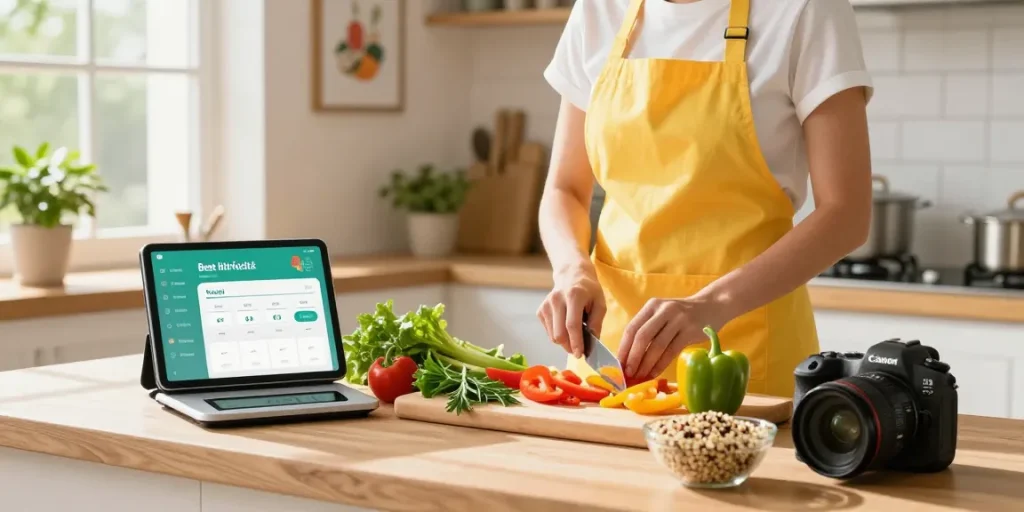

Understanding Food Tracking Apps: An Overview
In the ever-evolving landscape of health and wellness, food tracking apps have emerged as pivotal tools for individuals aiming to manage their dietary habits and nutrient intake effectively. As we dive into 2026, the plethora of options available can be overwhelming for users looking for the best food tracking app tailored to their specific needs. These apps offer functionalities that empower users to monitor their food consumption, caloric intake, and overall nutritional insights, facilitating better dietary choices and health outcomes.
What is a Food Tracking App?
A food tracking app is a mobile or web-based application designed to help users log their food intake, monitor calories, and analyze nutritional information. These apps often include features that allow users to search a database of foods, scan barcodes, input meals manually, and sometimes even photograph meals for automatic logging. By simplifying the tracking process, these tools aim to encourage healthier eating habits and support users in achieving their dietary goals.
Key Features of the Best Food Tracking Apps
When evaluating food tracking apps, several key features distinguish the best from the average:
- User-Friendly Interface: An intuitive and visually appealing interface can significantly enhance the user experience.
- Comprehensive Food Database: A large database with verified food entries, including regional and international options, allows for accurate tracking.
- Nutritional Insights: Detailed breakdowns of macronutrients (carbs, fats, proteins) and micronutrients (vitamins, minerals) enable users to understand their dietary patterns.
- Customization Options: The ability to set personal goals, dietary preferences, and meal plans tailored to specific lifestyles is essential.
- Integration with Fitness Trackers: Compatibility with wearable fitness devices can provide a holistic view of health metrics.
The Importance of Accurate Nutritional Data
Accurate nutritional data is the backbone of effective food tracking. Users rely on precise information to make informed dietary choices. Apps that utilize verified data sources, such as the USDA food database, ensure that users receive reliable nutritional content. This accuracy is crucial, especially for individuals with specific health conditions or dietary restrictions, making it a non-negotiable feature in the best food tracking apps.
Top Ranked Food Tracking Apps for 2026
As we explore the top food tracking apps this year, it is essential to highlight those that have undergone rigorous testing and evaluation. We have meticulously reviewed each app based on a comprehensive rubric designed to assess various functionalities critical for effective tracking.
In-Depth Review of This Year’s Best Food Tracking Apps
The following food tracking apps stand out in 2026:
- Welling: This app excels with its AI-driven features, providing personalized nutrition coaching based on user data.
- Cronometer: Known for its emphasis on micronutrient tracking, Cronometer is praised for its accuracy and depth in nutritional data.
- MacroFactor: This app adapts to the user’s energy expenditure, making it ideal for those focused on macro tracking and weight management.
- YAZIO: A versatile app that caters to various dietary preferences and offers robust meal planning features.
- Lifesum: With a sleek design, Lifesum provides comprehensive tracking features along with meal suggestions based on user goals.
- Carb Manager: A specialist app for low-carb and keto enthusiasts, boasting an extensive library of keto recipes and meal plans.
Comparative Analysis: How the Top Apps Stack Up
To help users make informed decisions, it is vital to compare the main features and benefits of these top contenders. Each app has unique strengths, making them suitable for different user requirements:
| App Name | Primary Feature | Best For |
|---|---|---|
| Welling | AI Nutrition Coaching | Personalized Recommendations |
| Cronometer | Micronutrient Tracking | Nutrition Enthusiasts |
| MacroFactor | Adaptive Energy Tracking | Macro Management |
| YAZIO | Meal Planning | Balanced Diet Planning |
| Lifesum | Design and Usability | Casual Users |
| Carb Manager | Keto Recipe Database | Keto Diet Followers |
Understanding Rankings: What Influences Performance?
The rankings of food tracking apps are influenced by various factors, including user engagement, functionality, data accuracy, and overall user satisfaction. This assessment is based on systematic testing that covers a plethora of usage scenarios, ensuring that the evaluations reflect real-world experiences.
Choosing the Right Food Tracking App for Your Needs
With myriad options available, selecting the right food tracking app tailored to your unique dietary goals is crucial. Here are several strategies to identify the best fit.
Identifying Your Nutritional Goals and Preferences
Before downloading any food tracking app, consider your specific nutrition goals. Are you aiming to lose weight, gain muscle, or simply maintain a balanced diet? Knowing your objectives will guide you toward an app that aligns with your lifestyle and dietary requirements.
7 Essential Questions to Ask When Selecting an App
- What features are most important to me (e.g., barcode scanning, meal suggestions)?
- Is the app compatible with any existing fitness trackers I use?
- Does the app support my dietary restrictions or preferences?
- How often is the food database updated?
- Are there community features or support available within the app?
- What is the overall user experience and interface like?
- What is the pricing model (free vs. subscription)?
Scoring a Food Tracking App: What to Look For
To evaluate food tracking apps effectively, users should consider the following aspects:
- Data Accuracy: Ensure the app uses a reliable food database.
- User Experience: Assess the ease of navigation and logging foods.
- Customization: Look for options to personalize goals and dietary preferences.
- Support: Check for available guides, FAQs, and customer service.
- Value for Money: Analyze whether features justify any costs associated with the app.
Challenges and Misconceptions about Food Tracking
Despite their growing popularity, food tracking apps come with challenges and misconceptions. Addressing these concerns is essential for maximizing their benefits.
Do Food Tracking Apps Actually Facilitate Weight Loss?
Research indicates that food tracking apps can significantly support weight loss efforts. By promoting awareness of caloric intake and eating habits, users can make informed decisions that contribute to weight management. However, success often hinges on choosing the right app that fits one’s lifestyle and ensuring consistent usage.
The Accuracy of AI Calorie Tracking: What Research Says
AI-driven food tracking methods are becoming popular, but how reliable are they? Studies show that while AI can enhance user experience, error rates can vary significantly depending on the technology used. It’s essential to recognize these limitations and combine AI tracking with manual input for more accurate results.
Debunking Myths: The Size of the Food Database vs. Quality
Many users assume that a large food database equates to a better app. However, quality trumps quantity; a well-verified database with fewer entries often provides more reliable information than a massive yet inaccurate one. Understanding this distinction is crucial for effective tracking.
The Future of Food Tracking Apps: Emerging Trends
The landscape of food tracking apps is shifting, with emerging technologies shaping how users interact with these tools. Here’s what the future holds.
How AI and Machine Learning are Innovating Food Tracking
Artificial Intelligence (AI) and Machine Learning (ML) are poised to revolutionize food tracking apps. These technologies can offer personalized meal recommendations, analyze eating habits, and provide tailored coaching that adapts to individual progress over time, leading to improved user results and engagement.
Predictions for the Best Food Tracking App Features in 2026
Looking ahead, we anticipate significant advancements in app features, including enhanced AI-driven coaching, integration with health monitoring devices, and even virtual reality meal planning sessions that make tracking more interactive and engaging.
Integrating Food Tracking with Dietary Plans and Fitness Goals
The best food tracking apps will increasingly integrate with broader health and wellness ecosystems, enabling users to combine dietary tracking with fitness regimens. This holistic approach can lead to better overall health outcomes by ensuring that dietary choices align with fitness goals.
What Are Users Asking? Frequently Asked Questions
As users explore their options, several common questions arise regarding food tracking apps:
Which Food Tracking App is Best for Beginners?
Apps like YAZIO and Lifesum are user-friendly and provide guided experiences for beginners, making them excellent choices for those new to food tracking.
How Can I Ensure Accurate Tracking with an App?
To ensure accuracy, regularly update your food database, check portion sizes, and utilize features like barcode scanning to verify entries.
What Features Should I Look for in a Family-Friendly App?
Family-friendly apps should offer customizable user profiles, meal planning tools, and features that allow for easy meal sharing among family members.
How Important is User Interface and Experience?
A pleasant user interface significantly enhances user engagement. Apps that prioritize design and usability often see better long-term retention rates.
Can Food Tracking Apps Help with Specialized Diets?
Yes, many food tracking apps are tailored for specific diets, such as keto, vegan, or paleo, offering features that help users meet their unique dietary needs effectively.